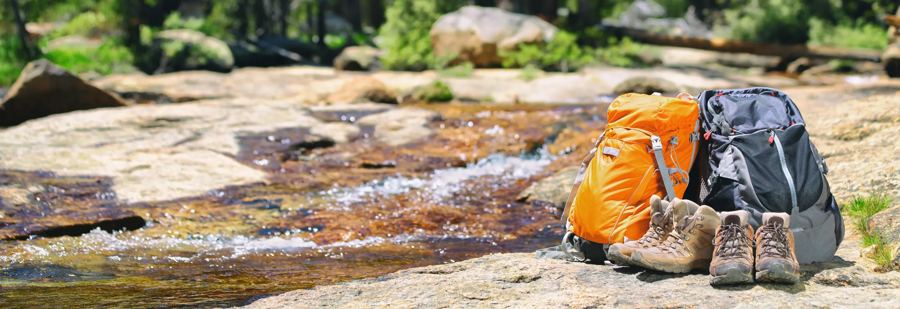
Before we left, we read everything. Endless lists, contradictory advice, bags stuffed too full. We compared countless websites to try to find the best gear – light, versatile, with a bit of style too. So we went and tested things directly in stores, prepared, tried, compared, and now we’ve field-tested all of it. That’s why we’re writing this guide, hoping it helps if you’re planning a long-term trip of your own!
Backpack Clothing Toiletries Electronics Documents
The golden rule before making any list
Good gear isn’t about bringing everything. It’s about bringing what you’ll actually use, often, in different situations. We stuck to three simple rules, sometimes forcing ourselves a little: versatility over quantity, comfort over looks, and testing your gear before you leave rather than once you’re there.
The backpack: the foundation of everything
It will hold all your belongings, follow you everywhere, and sit on your back constantly. A backpack shouldn’t be chosen lightly. Whether new or second-hand, here’s what to look for:
- Adjustable to your body: straps and fit that adapt to your back and hip size (a bag designed “for women” includes straps and adjustments built for that).
- A comfortable frame.
- A capacity suited to your trip.
- A good number of compartments.
- Sturdy materials.
Tip
Always try your backpack fully loaded before leaving, in-store or at home for a few hours: it’s the only real way to know if it will suit you over time.
Tristan’s pack
A Quechua Escape 70L (chosen for its large capacity, flexibility and lack of internal metal frame), paired with a 35L North Face front pack.
- Clothing: 7 boxers, 7 pairs of socks, 3 trousers (2 casual, 1 for hiking), 1 pair of shorts, 2 swim trunks, 7 t-shirts (2 of them sports ones), 1 hoodie, 1 rain jacket, 1 cap, 1 pair of gloves, 2 pairs of shoes (trainers and sandals).
- Camp & sleep: 2-person dome tent, untreated mosquito net, sleeping bag (0°C), inflatable mattress and pillow (Decathlon).
- Useful gear: full first-aid kit, microfibre towel, steel camping cookware with cutlery, waterproof compression bag (13L), rechargeable head torch.
- Hydration: water bladder (2L) and water bottle.
- Tech & security: DJI drone, GoPro HERO, laptop, portable solar panel, power bank, charger, combination lock, sling bag.
Mathilde’s pack
A 60L+6L Forclaz Easy Fit (Decathlon), with packing cubes to keep things organised, paired with a multi-pocket Escape 500 hiking daypack (23L).
- Clothing: 10 pairs of underwear, 10 pairs of socks, 2 skirts, 3 flowy trousers, 1 dress, 4 t-shirts, 6 tops/tank tops, 2 long-sleeve thermal tops, 1 hoodie, 1 fleece, 4 pairs of shoes (trainers, hiking shoes, sandals, flip-flops), 4 hats/caps, 1 insulating foam sleeping pad.
- Hygiene & care: microfibre towel, foldable toiletry bag, hair kit, make-up bag, 2 medicine pouches, hygiene-products pouch.
- Tech & extras: universal adapter, solar panel, film camera, books and a puzzle magazine, a small handbag and a tote bag.
The gear links we mention are for reference only: we don’t earn any money from these recommendations.
A few tips before choosing your travel clothes
Choosing the right clothes is essential to handle changing temperatures (hot, cold, rain, or all three). Versatility is key: favour adaptable pieces, like zip-off trousers. Go for lightness: several thin layers (like a light fleece) work better than one thick piece for managing different climates. Also pack more underwear than anything else, since it needs to be changed more often.
Plan B
Always keep a small cash reserve in dollars or euros, separate from your main bank card, for emergencies (a broken ATM, a remote area with no banking network).
Our golden rule
If you’re hesitating over whether to pack something “just in case”, it’s probably not essential: in almost every country we’ve been through, you can find whatever you forgot on the spot – often cheaper than back home.